Flea Trap at Home: A Step-by-Step Guide
If your dog has been scratching more than usual or you’re worried about a possible flea infestation, learning how to make a flea trap at home is a quick and easy way to check for fleas in your house.
This simple flea trap uses everyday household items and can help you confirm whether fleas are present before you take action. In this guide, we’ll show you step by step how to make a flea trap with a baking tray, water, washing up liquid and a tealight, explain how it works, and what to do next if you find fleas.
Why Use a Flea Trap?
Before reaching for chemical flea sprays or treatments, it’s important to confirm there’s actually a problem. A homemade flea trap is low cost, chemical free, and a quick way to detect fleas in carpets and soft furnishings.
This method doesn’t eliminate an infestation, but it does help you determine whether fleas are active in your home.
How to Make a Flea Trap at Home Step by Step
What You’ll Need:
A shallow baking tray or dish
Warm water
A few drops of washing up liquid
One tealight candle
Matches or a lighter
A darkened room
Step 1: Choose the Right Location
Place the trap in the room where your dog spends the most time, usually near their bed, on carpeted areas, or in living rooms and bedrooms. Fleas often hide in soft furnishings and carpets, especially in warm areas.
Step 2: Prepare the Tray
Fill the baking tray with warm water about halfway full. Add two to three drops of washing up liquid and gently mix. The washing up liquid breaks the surface tension of the water so fleas cannot float or jump back out.
Step 3: Position the Tealight
Place the tealight candle in the centre of the tray. Some people prefer to place the candle in a small holder or a shallow ramekin sitting in the tray for extra stability. Make sure the candle is secure and upright.
Step 4: Darken the Room
Turn off the lights and close curtains. Fleas are attracted to warmth and light, especially in dark conditions. Light the tealight and leave the trap in place for several hours, ideally overnight.
Safety first: Never leave candles unattended if pets or children have access to the room. If needed, stay nearby or use the trap during the evening while you are present.
How Does a Flea Trap Work?
Understanding how fleas behave explains why this method works. Fleas are attracted to heat and light, which signals a potential host. The tealight mimics body warmth. Fleas jump toward the light source, land in the water, and the washing up liquid prevents them from escaping.
If fleas are present in the room, you will usually see small dark specks in the water within a few hours.
How to Identify a Flea
Fleas are small, about two to three millimetres long, dark brown or reddish black, fast moving, and narrow and flat from side to side. If you are unsure, place the tray under a bright light and examine the contents carefully.
What to Do If You Find Fleas in Your Home
If your homemade flea trap confirms fleas are present, don’t panic but act quickly.
First, check your dog using a fine toothed flea comb and look for live fleas, flea dirt which appears as tiny black specks that turn reddish when wet, and signs of excessive scratching or biting.
Second, wash bedding immediately. Wash dog beds, blankets, throws, and cushion covers using a hot wash of 60 degrees if safe for the fabric.
Third, vacuum thoroughly. Vacuum carpets, skirting boards, sofas, and cracks and crevices. Dispose of the vacuum contents immediately outside the house.
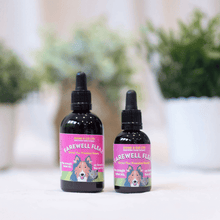
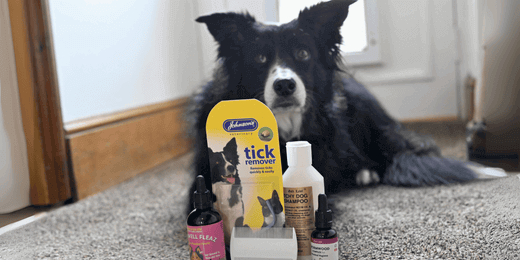
Fourth, choose a safe, natural flea product. Many conventional flea treatments contain harsh chemicals which you may want to avoid. If you prefer a gentler approach, natural flea care products can support your dog’s skin health while helping to repel fleas
If you’ve discovered fleas using your DIY flea trap, now is the ideal time to switch to a natural flea control routine that protects your dog long term.
Can a Flea Trap Get Rid of an Infestation?
A DIY flea trap is useful for detecting fleas, but it will not eliminate an infestation on its own. Flea life cycles include eggs, larvae, pupae, and adult fleas. Most of the flea population in your home will be in the egg and larval stages, not visible adults. That is why ongoing treatment and environmental management are essential.
How to Prevent Fleas Naturally
Prevention is always easier than cure. To reduce the risk of future infestations, maintain regular grooming, wash bedding frequently, vacuum weekly, support your dog with natural flea care products, and keep your dog’s immune system strong with a balanced diet.
Consistent, natural prevention is key to avoiding repeat infestations.
Final Thoughts
A homemade flea trap is a simple and effective way to check for fleas in your house. Using just a baking tray, water, washing up liquid and a tealight, you can quickly determine whether fleas are present without resorting to chemicals.
If you do find fleas, act promptly and consider switching to natural flea care for dogs that supports your pet’s wellbeing.
If you suspect fleas, try this DIY flea trap tonight. If you need support choosing a natural flea care solution, explore our range of carefully formulated products designed with your dog’s health in mind.