Still Keen for Walks? 7 Signs Your Dog’s Joints May Be Bothering Them
The lead comes out and your dog rushes to the door, tail wagging and ready to go. So their joints must be fine - right?
Not necessarily.
Dogs can be remarkably stoic. Even when movement is not as comfortable as it once was, many will still be enthusiastic about the things they love most - especially their walks.
That is why the first signs of joint discomfort are not always as obvious as a limp. They can be small changes that appear around the house, during the first few steps after a rest or once the excitement of the walk has worn off.
One of these signs on its own does not necessarily mean your dog has a joint problem. However, if you are noticing a pattern, it is worth paying closer attention.
1. They take a little longer to get up
Has your dog started pausing before getting out of bed or needing a couple of attempts to stand?
This can be easy to dismiss as tiredness or ageing, particularly if they appear perfectly happy once they are moving. Watch what happens after a long nap, first thing in the morning or when they have been lying in the same position for a while.
2. Their first few steps look stiff
Some dogs appear stiff when they first stand but loosen up after walking around for a minute or two.
Since the stiffness disappears quickly, it is one of the easiest changes to overlook. You may only notice a shorter stride, slower movement or a slightly awkward first few steps.
3. They hesitate before jumping or using the stairs
Your dog may be more reluctant to get into the car, climb the stairs or jump onto the sofa — do they pause first?
Look for small moments of hesitation, choosing a lower chair, waiting to be lifted or putting their front paws up before deciding whether to make the jump. The change may be in how they do something rather than whether they do it at all.
4. Their walks are beginning to change
An eager start does not always tell you how comfortable the whole walk feels.
Perhaps your dog begins to lag behind on the way home, chooses a shorter route, walks more slowly or stops more often. You might also notice that they are stiffer after a longer walk or need more time to recover afterwards.
5. They still want to play — but stop sooner
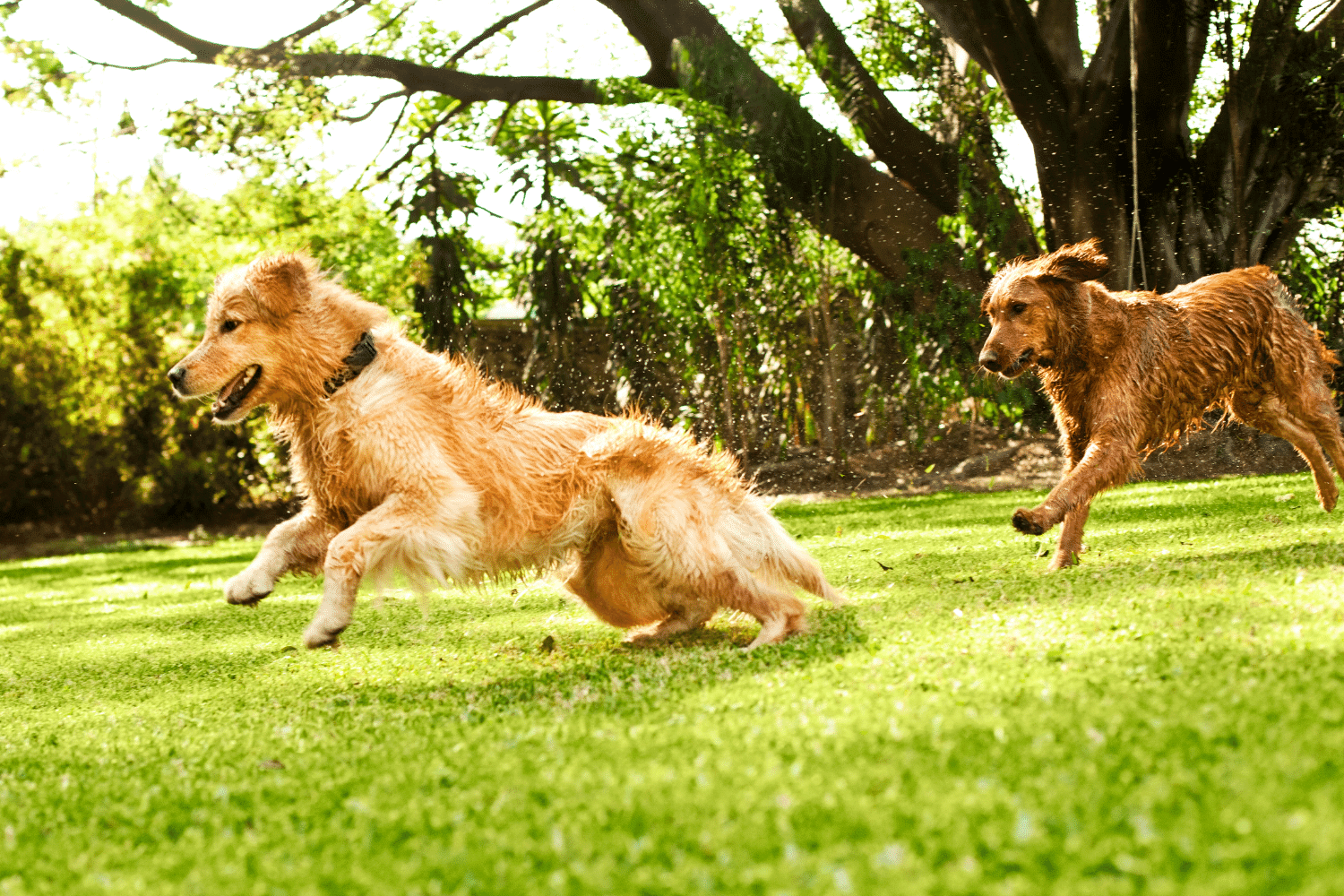
Dogs do not necessarily lose their enthusiasm when something feels uncomfortable. Your dog might still bring you their ball or charge around with another dog, but play for less time than they used to.
6. They sit, lie or sleep differently
A dog who is trying to get comfortable may change where or how they rest. They might circle for longer before lying down, avoid curling up tightly or stretch one leg out to the side.
7. Their behaviour has changed
Physical discomfort can sometimes appear as a change in behaviour rather than movement.
Your dog may seem quieter, sleep more, become reluctant to be handled around a particular area or appear unusually grumpy. Repeatedly licking around one joint can also be something to watch.
These changes can have several possible causes, so they should not be used to diagnose a joint problem at home. They are simply clues that your dog may need a closer look.
Simple ways to support your dog at home
A few practical changes can make daily life easier:
- Keep exercise regular and manageable instead of alternating very quiet days with unusually long walks.
- Put rugs or non-slip mats on smooth floors, particularly near beds, stairs and doorways.
- Provide a warm, supportive bed in an easy-to-reach place.
- Dry your dog thoroughly after wet walks.
- Consider a ramp or step if getting into the car or onto furniture has become difficult.
- Keep your dog at a healthy weight to avoid placing unnecessary pressure on their joints.
If a change is new, persistent or getting worse, speak to your vet. Seek prompt advice if your dog suddenly becomes very uncomfortable, develops swelling or is unable to put weight on a leg.
Which joint support might suit your dog?
Joint supplements can form part of a wider routine alongside appropriate exercise, weight management and any advice or care provided by your vet.
For a simple daily liquid: Spring Joint Support
Spring Joint Support combines Devil’s Claw, MSM and Yucca filamentosa to support the maintenance of normal joints, muscles and connective tissues.
It is easy to add to food and can be used on its own or alongside glucosamine. The best-value 500ml bottle costs approximately 21p per day for a medium-sized dog.
For everyday glucosamine support: Glucosamine Plus 5000
Glucosamine Plus 5000 is a straightforward daily powder containing glucosamine sulphate, MSM and vitamin C. It can be mixed into food to support healthy joints, tendons and cartilage.
For a more comprehensive powder: Glucosamine Ultimate
Glucosamine Ultimate combines glucosamine sulphate with MSM, green-lipped mussel, hyaluronic acid and vitamin C. It has been formulated to support normal joint structure, flexibility and comfortable everyday movement.
For occasional additional support: A-Combo
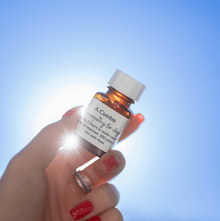
A Combo is our own homeopathic blend of Rhus tox., Ruta, Arnica and Bryonia. It can be kept at home for additional support on days when your dog appears particularly achy or has overdone things.
Not sure where to begin? Try the Joint Support Bundle
Our Joint Support Bundle brings together three complementary products:
- Spring Joint Support, our bestselling liquid joint supplement
- A Combo, for occasional additional support
- Slurpeez Bone Broth, which is rich in collagen and can be served as a drink or poured over food
This article provides general information and is not a substitute for veterinary advice. If you are concerned about a change in your dog’s movement, comfort or behaviour, contact your vet.