How Do You Get Rid of Fleas?
If you've spotted a flea on your dog (or a tell-tale speck of 'flea dirt' on their belly), your first instinct may be to treat your dog and hope that's the end of it. Then a week later, the scratching starts again.
That's because the fleas you can see are only a small part of the picture. Most of the flea population, in the form of eggs, larvae and pupae, is living in your home: in the carpet, the sofa, the dog's bed and the cracks between the floorboards. If you only tackle your dog, you'll keep getting re-infested from the environment around them.
So the real answer to 'how do you get rid of fleas?' is that it’s always a 3 part approach:
1. Your dog: tackle the fleas on your dog
2. Your home: address where fleas (and eggs) may be hiding
3. Ongoing support: regular natural flea care for your pet
Let's take these one at a time.

Part 1: Tackle the fleas on your dog
Fleas are fast, small and good at hiding. Here's how to check your dog properly, and what to do if you find fleas.
- Start by checking your dog properly. Part your dog's coat and look at the warmer, thinner-furred spots: the base of the tail, the groin, the armpits and behind the ears. You're looking for live fleas, or for small black specks. Drop a few specks onto a damp piece of kitchen roll. If they smear reddish-brown, that's ‘flea dirt’ (digested blood).
- Comb, comb, comb. A Flea Comb has fine teeth to catch fleas, eggs and debris that you'd never pick out by eye or with a normal comb. Work slowly through the coat, and keep a bowl of soapy water beside you to drop the fleas into. It also helps you see how bad the problem is, and whether what you're doing is working. If you need some more pointers, take a look at our helpful How to use a flea comb article.
- Soothe the skin. Scratching, chewing and licking can leave the skin sore and inflamed. If your dog's skin has become irritated, a gentle shampoo such as our Itchy Dog Shampoo cleanses the coat while helping to soothe skin that's been through the wars.
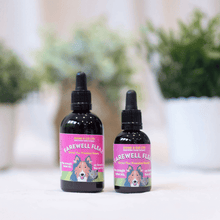
- Support your dog from the inside. You can build a natural flea fighting routine into your dog's daily life. Farewell Fleaz is a herbal tincture that's easy to add to your dog's daily food, so it becomes part of the routine rather than another job on the list (it’s also suitable for cats).
- Protect them on the outside. Before walks and outdoor adventures, our plant-based Barrier Flea & Tick Spray can be used on your dog's coat, giving you a simple step to take before they head out into long grass, woodland and other dogs' favourite sniffing spots.

Part 2: Address where fleas (and eggs) may be hiding
This is the step that often gets skipped, and it's the reason so many flea problems drag on for weeks or more.
Flea eggs don't stay on your dog. They fall off wherever your dog goes: their bed, your bed, the sofa, the car. Larvae then burrow deep into fabric and carpet fibres, away from light. Pupae can sit tight in a protective cocoon and wait for a warm body to walk past, which is why you might think you've won, only to see a fresh wave of fleas appear.
Here's where to focus:
-
Your dog's bed and blankets. Wash at the hottest temperature the fabric allows (60°C is the usual target). Tumble dry if you can.
- Soft furnishings. Vacuum sofas, cushions, throws, rugs and any spot your dog naps. Fleas love warm, quiet, fabric-filled places.
- Floors and skirting boards. Vacuum thoroughly, including edges, under furniture and along skirting boards, where eggs and larvae collect.
- The car. Seats, boot liners and dog blankets are easy to forget.
- Your own bedding, if your dog shares your bed.
Vacuum everywhere, often, and empty the bag or bin outdoors straight afterwards, otherwise you're just relocating the fleas! Vibrations from vacuuming can even encourage pupae to emerge, which is helpful, as it brings them out where you can deal with them. You can also use a flea spray for the home - the Organ-X Home Insect Killer Spray is a great way to kill and deter fleas without resorting to chemicals.
Be patient with this part. Because of the flea life cycle, it's normal for this stage to take several weeks of consistent effort. Seeing the odd flea in the first couple of weeks doesn't mean it isn't working. It usually means the last pupae are hatching.

Part 3: Ongoing, regular flea care for your pet
Once you've got on top of things, the goal is to stop it happening again. Fleas don't disappear in winter either, since centrally heated homes keep them going all year round.
Think of this as a routine rather than a one-off fix:
- Comb regularly. A quick weekly comb-through with your Flea Comb helps you catch problems early, before they turn into an infestation
- Start daily support - and keep it going. Adding Farewell Fleaz to your dog's food means it's part of the routine and doesn't rely on you remembering something extra.
- Spray before outings. Use the Barrier Flea & Tick Spray before walks, especially in warmer months or in places where other animals have been.
- Keep the home hygiene up. Wash bedding often, vacuum regularly, and use Get Rid Powder as part of your normal cleaning.
- Don't forget your other pets! If you have a cat or another dog, they need looking after too, or they'll keep passing fleas around.
Our ‘Bye-Bye Fleas’ Bundle

Because this works best as a full approach, we've put it all together.
The Bye-Bye Fleas Bundle brings together:
✔ Farewell Fleaz, a natural herbal tincture for your dog's daily food
✔ Barrier Flea & Tick Spray, a plant-based spray for your dog's coat before walks
✔ Get Rid Powder, a natural powder for your pet and home hygiene routine
✔ Flea Comb, for checking the coat and removing fleas, eggs and debris
...plus a FREE Itchy Dog Shampoo, a gentle shampoo that cleanses the coat while helping to soothe skin that's become irritated through scratching.

Every day: Farewell Fleaz
Add Farewell Fleaz to your pet’s food once daily. Farewell Fleaz works by making your pet taste unsavoury to biting fleas and ticks. Please allow up to six weeks for its full effect.
Before walks: Barrier Flea & Tick Spray
Spray lightly over your dog’s coat, paying particular attention to the legs, tummy and around the base of the tail. Brush through the coat and avoid the eyes, nose and mouth. Use it before walks and whenever your dog is likely to be exposed to fleas outdoors. Please note: Barrier Flea & Tick Spray is not suitable for cats.
Every other day: Get Rid Powder
Dust the powder very lightly through your dog’s coat, concentrating around the neck, tummy and base of the tail. Get Rid Powder contains fine particles, so apply it sparingly and avoid creating a cloud of dust in the air. If your dog does consume it it is non toxic.
Twice a week: Itchy Dog Shampoo
Dilute the shampoo with water and wash your dog as normal. Rinse most of it away, leaving a small amount in the coat. The neem and coconut oil help cleanse the coat and soothe skin that has become irritated by flea bites and scratching. If you prefer to use a waterless dog shampoo - this provides up to 8 hours of protection from fleas too.
Regularly: Use your flea comb
Comb your dog carefully, especially around the neck, tummy, groin and base of the tail. Keep a bowl of warm, soapy water beside you and drop anything collected by the comb straight into it. This is also a useful way to keep track of whether the number of fleas is reducing.
How long will this take?
You may notice an improvement quite quickly, but a well-established flea problem rarely disappears overnight. Newly emerging fleas may continue to appear from the environment for several weeks.
Try not to be disheartened if you still spot the occasional flea. It doesn’t necessarily mean the routine isn’t working - it may simply be another flea emerging from an egg or pupa already in your home.
Give the full routine at least six weeks, and keep Farewell Fleaz going daily as part of your dog’s ongoing care.
The bottom line
Getting rid of fleas is very rarely a quick job (we feel your pain), but it IS doable, we promise. Fleas don't just live on your dog, they live in your home and soft furnishings too, so it takes time, patience and consistency. Stick with all three parts and you'll be much more likely to break the cycle for good. Good luck - and if you would like any personalised advice, please don't hesitate to get in touch with us.
If your dog’s skin is very sore, they seem unwell, or you are still finding large numbers of fleas after six weeks, please contact your vet.